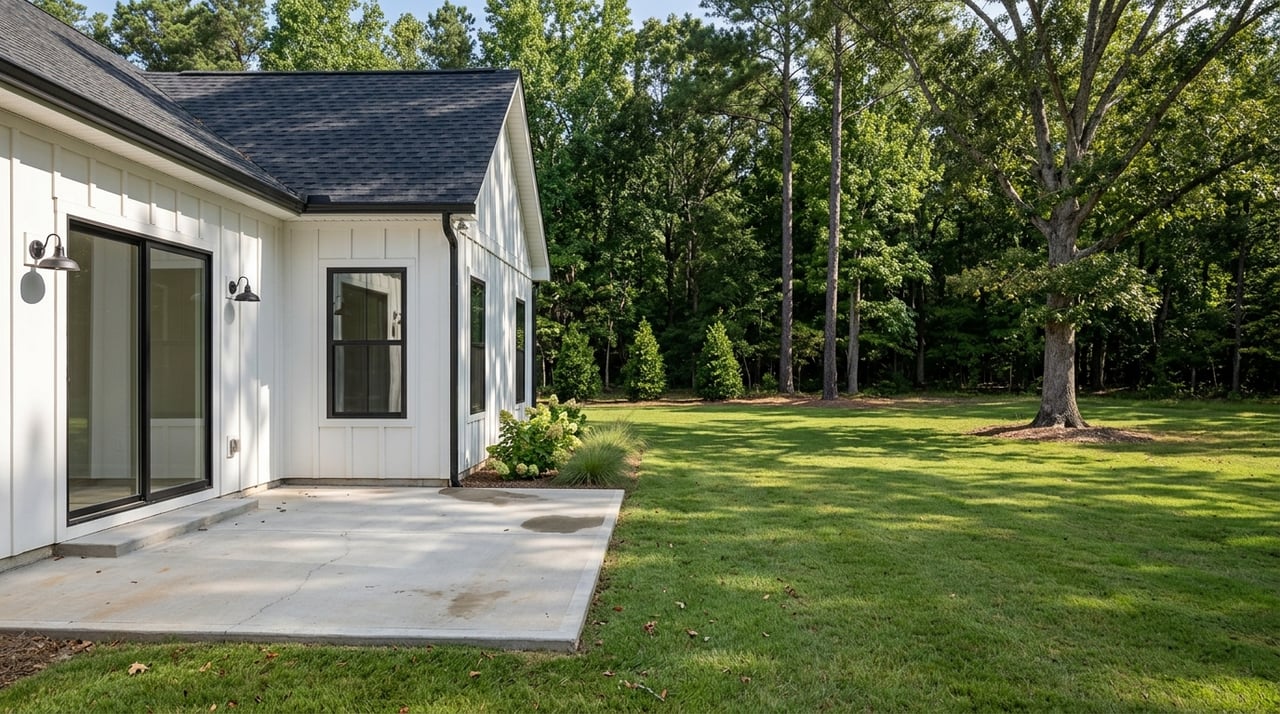
Planning a Smart Monroe GA Land and Acreage Purchase
June 25, 2026
June 25, 2026
Buying land in Monroe can look simple at first. A parcel may seem perfect online, but the real story often comes down to zoning, utilities, access, and whether you are dealing with the City of Monroe or unincorporated Walton County. If you want to avoid expensive surprises, you need a plan before you make an offer. Let’s dive in.
One of the first smart moves is confirming where the parcel actually falls. Monroe has its own planning, zoning, maps, and permit process, while Walton County has a separate system for properties outside city limits.
That difference matters more than many buyers expect. A lot inside the City of Monroe may follow different rules than acreage in unincorporated Walton County, even if the properties are only a short drive apart.
If you are thinking long term, this step becomes even more important. Walton County is updating its comprehensive plan in 2026 as a 20-year guide to growth and development, so future land use questions deserve a close look before you commit.
A smart land purchase starts with your end goal. Are you planning to build a custom home, hold the land for future value, create a small farm setup, or explore subdivision potential later on?
Once you know your goal, match it to the property’s current zoning and future land use designation. In Monroe, the city maintains its own zoning ordinance and map, and the current ordinance should always take priority over older listing remarks or tax descriptions.
For county parcels, Walton County provides zoning information, zoning verification options, and a future land use map. Looking at both the current zoning district and the long-range land use map can help you understand what may be allowed now and what the area may be planned for in the future.
Tax records and marketing descriptions can be helpful starting points, but they should not be treated as final answers. The practical way to evaluate a parcel is to verify the most current ordinance, zoning map, and land use information with the correct local authority.
That can save you from buying a property that does not line up with your plans. If you expect one use and the zoning allows another, your timeline and budget can change quickly.
Not every parcel that looks buildable is ready for a home. Walton County’s residential building application shows just how much documentation can matter, including a recorded warranty deed and recorded plat.
For lots that will need septic, the county also requires a septic tank permit and final health department approval. If sewer is available instead, sewer tap approval is required.
This is one of the biggest reasons due diligence matters. A parcel may look fine on a map, but if key approvals, platting, or utility steps are missing, building can become slower, harder, or more expensive.
The city’s development regulations note that the subdivision process is meant to ensure usable lots, streets, traffic access, and utilities. In plain terms, that means a parcel’s layout on paper is only part of the picture.
You also want to know whether the lot functions well in the real world. Access, frontage, utility paths, and approval history all affect whether the land fits your intended use.
Utilities can make a huge difference in both upfront cost and long-term convenience. In the City of Monroe, the utility department is a full-service municipal provider offering electric, water, wastewater, natural gas, cable TV, broadband, and VOIP phone service.
That can be a major advantage for in-city parcels, but you still need to confirm service availability and connection requirements for the specific property. New construction service forms are separate for electric, sewer, water, and natural gas, which shows that setup details matter.
Outside the city, water availability is more parcel-specific. Walton County’s water department says it serves the majority of the county, but applicants are told to confirm the address is serviced before starting a new-service application.
If public sewer is not available, septic becomes part of your due diligence. That means you should think beyond the listing and ask what approvals will be needed for the property to support your plans.
The same property can feel very different depending on whether water and sewer are nearby, already approved, or still uncertain. This is one of the most common budget factors on land purchases.
Access is not just about seeing a road on a map. You need to know whether the parcel has recorded legal access and whether a driveway can actually be approved where you need it.
This becomes especially important if the property fronts a state route. Walton County’s residential building application says that if you are building off a state highway, a copy of the DOT driveway permit or final approval is required.
In Monroe, many traffic signals on state routes are controlled by GDOT, which is another reminder that roadway rules can involve additional layers of review. If access is unclear, it is worth sorting out early.
Before any excavation work, Monroe’s utility department instructs customers to call Georgia 811 at least two business days before digging. On vacant land, that matters sooner than many buyers expect.
Boundary clearing, trenching, septic work, and driveway installation can all affect buried lines. Knowing that ahead of time helps you plan safely and avoid unnecessary setbacks.
The shape of the land matters just as much as the legal paperwork. Floodplain status, drainage patterns, soil conditions, and slope all play a major role in how usable a parcel really is.
For an early review, FEMA’s Flood Map Service Center is the official public source for flood hazard information, and Monroe’s code department also points buyers to flood map information. Checking flood risk before you close is much easier than discovering a limitation later.
Soils are also a key part of smart land planning. They affect drainage, grading, septic suitability, and how much of the site may be practical for building or outdoor use.
Walton County’s Soil and Water Conservation District notes the importance of treating each acre according to its needs and capabilities. That is a useful mindset for buyers looking at larger tracts.
A five-acre parcel does not automatically mean five easy acres to use. Slopes, wet areas, wooded sections, and drainage features can all reduce how much of the land works for your intended layout.
Walton County’s stormwater department maintains stormwater feature maps and monitors problem waterways and related issues. That makes runoff and drainage concerns especially relevant for sloped, wooded, or creek-adjacent properties.
Even if you love the look of a tract, you should think through erosion control, water movement, and future site work. These factors can influence both build cost and ongoing maintenance.
The best land purchase is not always the cheapest one. It is the parcel that fits what you want to do now and later.
If you want a custom homesite, your checklist may focus on buildability, utility access, and driveway approval. If you are buying for future value, zoning, future land use, and broader growth patterns may matter more.
If you are considering animals, do not assume acreage means unrestricted use. Walton County has animal control and livestock-related rules, so it is important to verify how those rules may affect your plans.
Walton County notes that property tax bills are public information and can be searched by owner name, address, or parcel number. Reviewing those records can help you confirm parcel identification and spot any details that deserve follow-up.
This is also a practical way to make sure the property you think you are buying matches the records tied to that tract. Small discrepancies are worth clearing up before you move forward.
Before you buy land in Monroe or the surrounding Walton County area, make sure you can answer these questions:
When you can answer those questions clearly, you are in a much better position to make a confident decision.
Buying land should feel exciting, not uncertain. If you want help evaluating acreage, vacant lots, or future-build opportunities in Monroe and nearby areas, reach out to Dinu Dariy for responsive, local guidance and a clear next step.
Stay up to date on the latest real estate trends.


Want an agent who'll really listen to what you want in a home? Need an agent who knows how to effectively market your home so it sells? Give me a call! I'm eager to help and would love to talk to you.