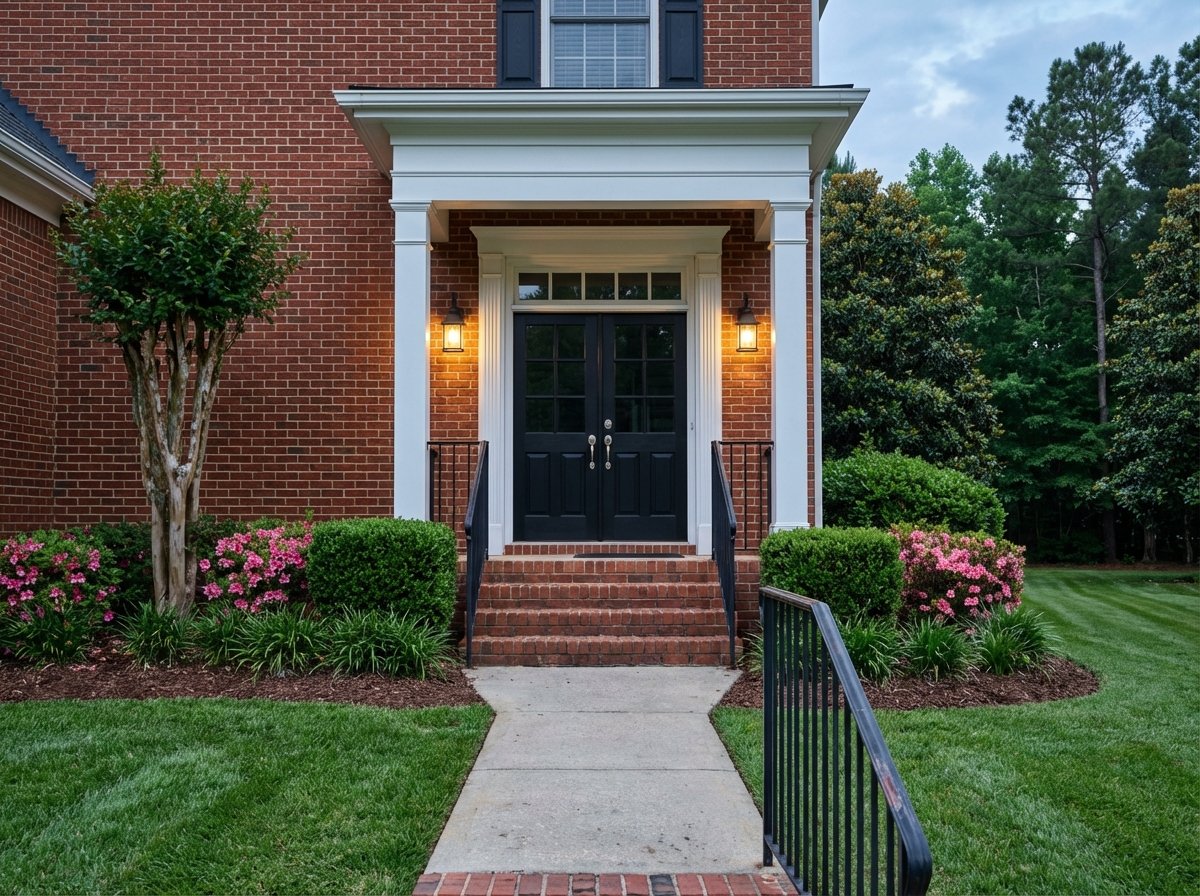
Buford GA Housing Market Trends for Local Families
February 19, 2026
February 19, 2026
If you’re a Buford-area family trying to time a move, the headlines can feel all over the place. One site shows prices surging, another says they’re flat, and you just want to know what this means for your budget and timeline. You’re not alone. In this guide, you’ll see the key numbers, why they differ, and how to use them to plan a smart move in the next 6 to 18 months. Let’s dive in.
These figures all come from well‑known housing portals and local snapshots. The range is normal and reflects the different ways each source tracks the market.
You’ll often see two kinds of pricing data. A smoothed “typical value” index tracks overall trends across many months and home types. A monthly median sale or listing price reads just one month and can swing more when there are fewer closings. That’s why it helps to think in ranges, like “typical values near the mid‑$400s, with many family homes trading in the $500Ks,” and then lean on neighborhood comps when you get serious about an offer or list price.
Active listings in Buford have climbed into the mid‑hundreds, which gives you more choice than during 2020 to 2022. That said, supply is still patchy by price tier. Sub‑$500K homes in popular areas can see faster activity, while higher‑end segments may move more steadily.
Some local reports put months of supply around ~2 months and rising. Under 3 months usually favors sellers, while roughly 4 to 6 months is considered balanced. As inventory edges up, leverage shifts slowly toward balance. In practice, that means well‑priced homes still sell near asking, but buyers have a bit more room to negotiate on homes that sit longer or need updates.
Expect many well‑priced homes to secure a contract in about 1.5 to 2.5 months, with some selling in a few weeks. Price, condition, lot and location are the main drivers. Sale‑to‑list ratios near 98% show sellers typically achieve close to asking, and a meaningful minority still sell above list when a price band is tight. If you’re buying, dial in your target segment so you know when to act fast. If you’re selling, nail the pricing and prep to capture the first 2 to 3 weeks of peak interest.
Buford’s pricing varies by ZIP and neighborhood features. Recent snapshots show different medians for 30518 and 30519, with 30518 trending higher overall and 30519 sitting a bit lower on average. Higher‑end subdivisions and club communities often trade above the citywide typical value, while downtown‑area and older neighborhoods sit closer to the midrange. When you’re ready to make a move, compare against recent comps in your exact micro‑area rather than relying on a single citywide number.
One of the biggest demand drivers for families is school reputation. Buford City Schools have been highlighted in local reporting as a No. 1 district in Georgia according to Niche, which helps explain premium pricing in some zones. You can read that coverage in the North Gwinnett Voice’s report on the district’s ranking and recognition: Buford City Schools ranks No. 1 in Georgia. For a broader look at district details, the NCES district profile is a helpful resource.
Commute patterns also matter. The city’s population sits around the high‑teens and the mean travel time to work is about 24 minutes, according to U.S. Census QuickFacts. Many households balance school preferences with commutes to other North Atlanta job centers.
Gwinnett County uses millage rates to calculate taxes, and Georgia assesses homes at 40% of fair market value. For illustration: on a $535,000 home, the assessed value is $214,000. Using a combined rate of about 26.85 mills (city/county plus school components for Buford’s Gwinnett portion), the annual tax is roughly $5,746 or about $479 per month before exemptions. For current rates and exemptions like homestead or senior relief, start with the Gwinnett County Tax Commissioner’s millage page.
Freddie Mac’s 30‑year fixed average in early February 2026 was around 6.1% (weekly PMMS). With 20% down on a 30‑year fixed at that rate, sample principal‑and‑interest payments look like this:
Add property taxes, homeowners insurance, and any HOA dues to estimate your total payment. You can track the headline 30‑year rate on the Freddie Mac PMMS series.
Ready to see how these numbers apply to your home or your next move? Reach out for local comps, a pricing and prep plan, or a step‑by‑step buying strategy. To start with value, get a custom estimate and market game plan with Dinu Dariy.
Stay up to date on the latest real estate trends.
Want an agent who'll really listen to what you want in a home? Need an agent who knows how to effectively market your home so it sells? Give me a call! I'm eager to help and would love to talk to you.