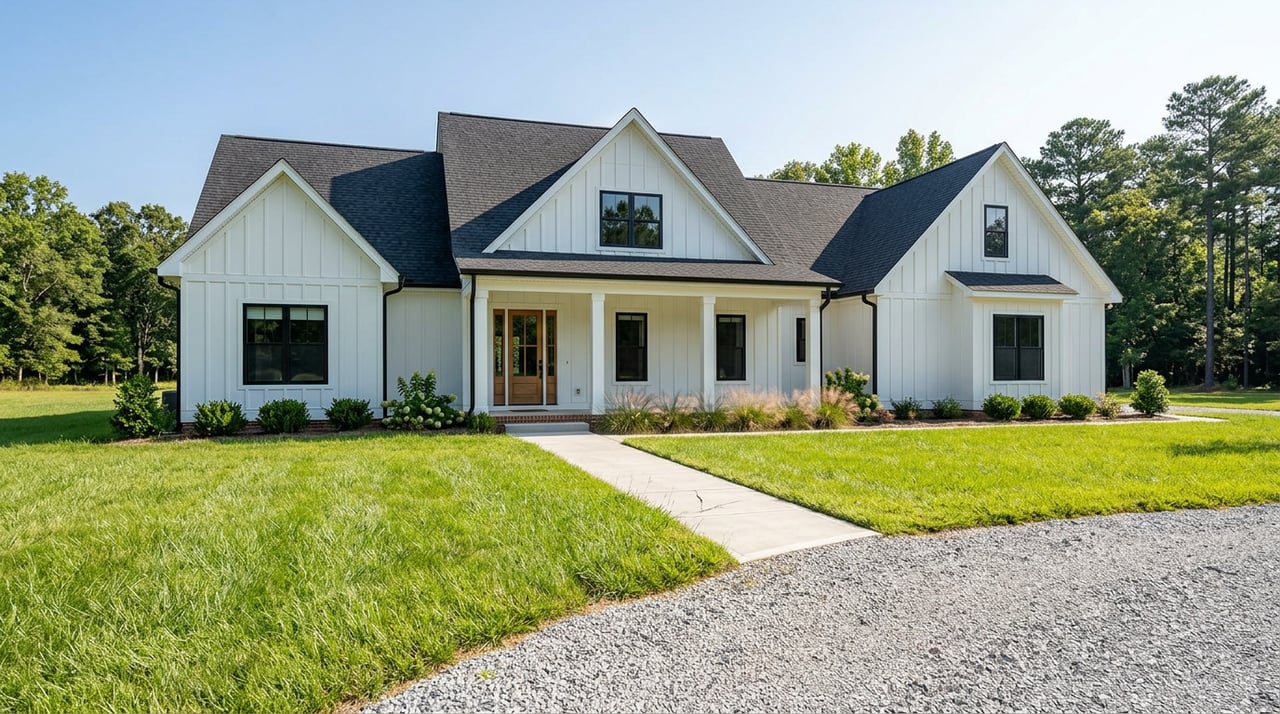
Monroe GA Land for Sale: What to Check Before You Buy
March 24, 2026
March 24, 2026
Buying land or acreage around Monroe sounds simple, but the details decide whether you can actually build what you want. Questions about septic, zoning, utilities, and access can turn a great-looking tract into a costly surprise. If you understand the local rules and run the right tests early, you can move forward with confidence.
In this guide, you’ll learn the key steps that matter most in Monroe and unincorporated Walton County, how to confirm buildability, and what to watch during due diligence. Let’s dive in.
Before anything else, confirm whether the parcel sits inside City of Monroe limits or in unincorporated Walton County. Rules, utility providers, and approval processes differ.
In Walton County, minimum lot size depends on two things: your zoning district and whether the lot will use public water/sewer or well/septic. The same district can have different minimums based on the utility setup.
These values are examples. Always verify the exact standard for your parcel in the Walton County LDO. If a listing does not state sewer or water service, assume well and septic until you confirm otherwise.
For rural parcels, septic approval is often the biggest deal-maker or breaker. Walton County Environmental Health (part of the Northeast Health District) reviews soils and issues septic permits. A higher-level evaluation, such as a Level III soil report, may be required depending on site conditions and the project.
Pro tip: Plan the house footprint, driveway, well location (if needed), and any future outbuildings so a compliant drainfield and required setbacks still fit.
Your water source will depend on location. Inside the City of Monroe, municipal water and sewer are common. Outside city limits, most buyers rely on a private well and septic. If you want municipal water, confirm tap availability, meter fees, and any extension costs with the utility provider.
Electricity in rural Walton County is commonly provided by Walton EMC. Inside city limits, the City operates municipal utilities, and the city has pursued fiber broadband deployment. To understand who serves your parcel and what it will cost to extend service, contact the serving utility and confirm in writing. For context, review a Walton EMC resource and the City’s fiber initiative news at Walton EMC and ADTRAN’s Monroe fiber announcement.
Use the NRCS Web Soil Survey for a first look at soil types, slopes, and drainage patterns across the tract. This public tool helps you spot areas that could pose challenges for septic or site work. It does not replace site-level testing, but it can guide where to focus further evaluation. Start with the NRCS Web Soil Survey.
Watch for shallow bedrock, high water tables, and poorly drained soils. These conditions can limit where you build or require advanced septic designs. Early mapping helps you budget and choose the best building area.
Floodplains and regulated waters can limit buildable area and increase costs. Always check FEMA’s Flood Map Service Center to see if any part of the parcel lies in a Special Flood Hazard Area. You may need additional permits or engineering, and insurance costs can be higher. Check your parcel in the FEMA Flood Map Service Center.
Walton County’s LDO requires floodplain mapping on plats and acknowledges stream and wetland considerations. If mapping suggests wetlands, a professional delineation is smart so you know exactly what buffers or restrictions apply. Refer to the standards in the Walton County LDO.
How you reach the land matters. If your driveway will connect to a state route, you will need a Georgia DOT driveway permit. For county roads, culvert sizing and right-of-way issues are handled at the county level. If access is via a private easement, confirm that a recorded, perpetual access easement exists and understand who maintains the road. Walton County’s residential permit packet outlines driveway-related submittals and contacts. See the process in the county permit packet.
Permit requirements differ between the City and County, so confirm the path that applies to your parcel.
Permit and impact fees can change. When you budget, note the date you obtained fee information and confirm current amounts with the appropriate office before you finalize plans.
If you plan to divide acreage, Walton County’s subdivision process requires preliminary and final plats, soils overlays, two-foot contours, mapped floodplains, and sign-offs from affected agencies such as Fire, Environmental Health, and the water or sewer provider. Private streets typically require a maintenance plan, and performance bonds may apply. The full process is outlined in the Walton County LDO.
Any project that disturbs soil needs an erosion and sediment control plan, and many sites of an acre or more fall under Georgia’s NPDES construction stormwater rules. Include erosion control and stormwater measures in your early site budget. See local development rules in the Walton County LDO.
Georgia’s Conservation Use Valuation Assessment (CUVA) program can reduce property tax valuation for qualifying agricultural, timber, or environmentally sensitive land. Enrollment is a multi-year covenant with specific use restrictions, so confirm eligibility and obligations with the county assessor and state guidance before applying. Review CUVA rules in the Georgia DOR regulations and environmentally sensitive property certification through the Georgia EPD.
If you plan small-scale agriculture or livestock, check your zoning district’s permitted agricultural uses and any supplemental requirements. City limits often restrict livestock, while unincorporated agricultural districts are more flexible. Always confirm with the planning department before you buy animals or build agricultural structures.
Ask these questions upfront to save time and avoid surprises.
Work these tasks into your contract and inspection period.
You do not have to navigate Monroe or Walton County land rules alone. If you want a clear plan for zoning, soils, utilities, flood checks, and permits, reach out for a no-pressure consult. Whether you’re eyeing a homesite, hobby farm, or a long-term hold, local due diligence done early is the difference between smooth and stressful.
Have questions about a specific parcel? Connect with Dinu Dariy to talk strategy, line up the right checks, and move forward with confidence.
Stay up to date on the latest real estate trends.


Want an agent who'll really listen to what you want in a home? Need an agent who knows how to effectively market your home so it sells? Give me a call! I'm eager to help and would love to talk to you.